Codeine: Why One Person’s Painkiller Can Be Another Person’s Problem


The Oasis Reporters
April 25, 2026


Jack_the_sparow/Shutterstock
Dipa Kamdar, Kingston University
For a medicine so commonly found in bathroom cabinets and high street pharmacies, codeine has a surprisingly complicated story. It sits at the intersection of pain relief, genetics, public health and regulation. As the UK continues to tighten rules around opioid use, codeine offers a useful case study in how a drug can be both helpful and potentially harmful, depending on who takes it and how it is used.
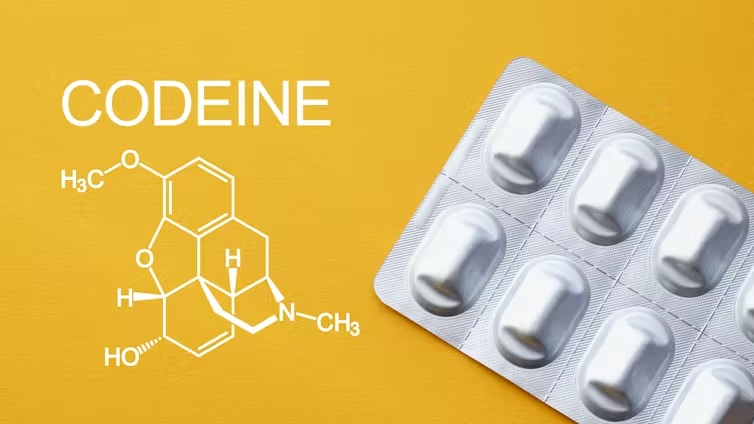
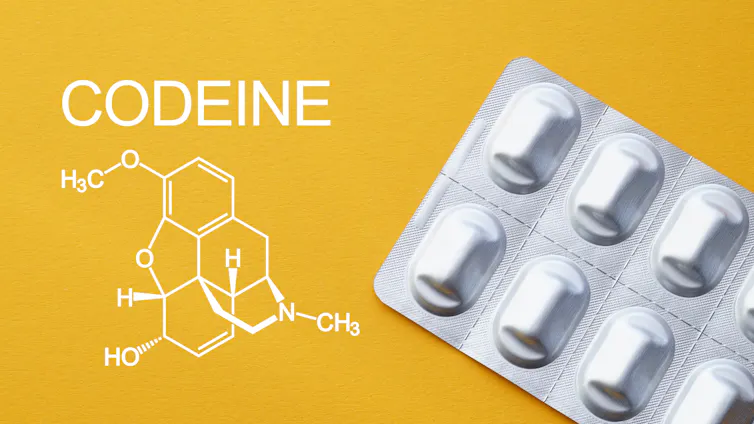
Codeine is an opioid used to treat mild to moderate pain. In some formulations, it is also used to suppress coughing. Over-the-counter products typically combine it with paracetamol, as in co-codamol, or ibuprofen, while stronger doses are available only on prescription.

Codeine itself is a weak opioid. Its analgesic effect is about one tenth that of morphine. Once swallowed, it is metabolised by enzymes in the liver, with some of it converted into morphine. That morphine then produces pain relief by acting on opioid receptors in the brain. For most people, the body makes enough morphine to ease symptoms. For others, the same dose can be ineffective or unexpectedly strong.
One of the most striking features of codeine is how differently people process it. The enzyme mainly responsible for converting codeine into morphine, CYP2D6, varies significantly between people. Most metabolise codeine at an expected rate, but some carry genetic variants that alter the process.
A small proportion of the population are ultra-rapid metabolisers, thought to make up around 1% to 2% of people. They convert codeine into morphine much faster than average. This trait is more common among people of North African and Middle Eastern backgrounds, for whom even standard doses can produce unexpectedly high morphine levels, increasing the risk of severe drowsiness, breathing difficulties and other serious side effects.
Around 2% to 11% of people are intermediate metabolisers. Their CYP2D6 enzyme works more slowly or less effectively, so codeine may provide only limited benefit.

At the other end of the spectrum are poor metabolisers, estimated to make up 5% to 10% of the population. They convert very little codeine into morphine, so the drug may offer little or no pain relief. Poor metabolism is more common in people of white European descent. In these cases, it may make more sense to prescribe a different painkiller rather than rely on a drug the body cannot use efficiently. This wide variation makes codeine far less predictable than many people assume.
That unpredictability matters because low-dose codeine does not always offer much in return. Research suggests that many over-the-counter codeine products provide little proven benefit for pain relief, particularly at doses below 10mg, while still carrying the risk of side effects. A review found that low-dose codeine combinations gave only modest relief for short-term pain, such as dental pain, episiotomy pain or pain after minor surgery, and many of the underlying trials were small.

Low dose codeine may not be the most effective painkiller for some.
Kmpzzz/Shutterstock
By contrast, combinations such as ibuprofen 400mg with higher-dose codeine, between 25mg and 60mg, appear to provide more reliable relief. Even so, studies suggest that simple combinations such as paracetamol plus ibuprofen can match or outperform low-dose codeine products without the risks associated with opioids.
Common side effects include constipation, nausea, dizziness and drowsiness. At higher doses, codeine can slow breathing and impair coordination. It can also interact with other medicines that cause sedation, including some antiepileptic drugs. Certain antidepressants can block the enzyme that converts codeine into morphine, making it less effective.
Like other opioids, codeine can also become less effective with repeated use. This process, known as tolerance, happens when the brain’s opioid receptors adapt to the drug. People may then need higher doses to achieve the same effect. Even when taken as directed, tolerance can develop within days, and as doses rise, so does the risk of physical dependence.
Stopping suddenly after regular use can trigger withdrawal symptoms such as restlessness, sweating, anxiety and poor sleep. This is why health professionals advise using codeine for the shortest possible time and tapering the dose if it has been taken for longer periods.
Concerns about misuse, addiction and accidental harm have prompted tighter regulation in the UK. The Medicines and Healthcare products Regulatory Agency has introduced clearer warnings on packaging about addiction risk and limited over-the-counter pack sizes to a maximum of 32 tablets or capsules. Non-prescription codeine-containing products are now intended for use for no more than three days. Stronger codeine tablets, including 30mg formulations, have long been prescription-only.
Some products have faced even stricter controls. Codeine linctus, once widely used as a cough suppressant, was reclassified as prescription-only in 2023 because of growing concerns about misuse and diversion. It has been used in “purple drank”, a recreational mixture of codeine cough syrup with soft drinks and sometimes alcohol. Its opioid effects can lead to dependence, breathing difficulties and overdose, especially when combined with other sedatives.
Codeine remains a useful option for short-term pain when other medicines are unsuitable or insufficient. But its effectiveness, safety and potential for dependence vary far more than many people realise.
In a landscape where medicines are often judged by how familiar they feel, codeine is a reminder that common does not always mean simple. Used carefully, it can help. Used carelessly, it can cause problems that last long after the pain itself has passed.
Dipa Kamdar, Senior Lecturer in Pharmacy Practice, Kingston University
This article is republished from The Conversation under a Creative Commons license. Read the original article.


