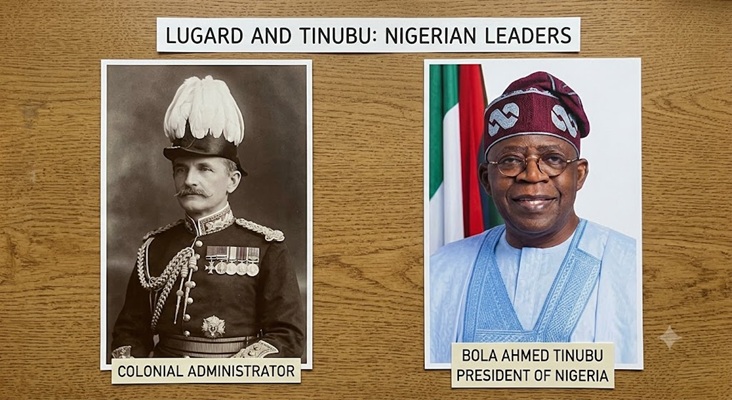
Lifting From Lord Lugard’s Rule Book To Neutralize The Congenital Oriire Bandits: Seizing The Kidnappers Families


The Oasis Reporters
August 4, 2026



A huge dose of the historical accounts of the much despised slave trade in the West African sub-region and understanding the economic tentacles of the slave trade including its military side informed the unprecedented response of the Bola Ahmed Tinubu administration to go for the jugular of the blight of kidnapping in Nigeria which gave the nation some success in tackli
Historical records are largely available in libraries as regards how the transatlantic slave trade was carried out centuries ago.
One of them is the historical accounts of Bishop Samuel Ajayi Crowther who was born in 1890 at Osogun-Iseyin in present day Oyo State. He was around 12 years old when he and his family were captured, along with his entire village, by Fulani slave raiders in March 1821 and sold to Portuguese slave traders.
The British outlawed the Atlantic slave trade in 1807 and used their navy to patrol the coast of Africa. During that period, Spain and Portugal still allowed the Atlantic slave trade in their colonies in the Americas. Before the slave ship left port for the Americas, it was boarded by a crew from a British Navy ship under the command of Captain Henry Leeke. They freed the captives, and took Ajayi and his family to Freetown, Sierra Leone, where they were resettled by local authorities.

Another historical record by Abubakar Tafawa Balewa who was then a school teacher at the dawn of the 20th Century before emerging as Nigeria’s Prime Minister in 1960 decades after, also narrated in his slim pamphlet how they felt relieved from the scourge of kidnappings and sale into slavery without knowing that there was a new sheriff in town, as Lord Frederick Lugard had become the Governor General of the space called Nigeria.
Slavery had officially ended, yet the primary enablers, the congenital bandits who were kidnapping people and selling them to slave trading merchant ships had not changed business model. And the colonial administration of Lord Lugard went after them by waiting for them at their palaces to pick them up whenever they came back from the exploits. Many of their kings were sent to Lokoja for trial and they never came back to their kingdoms.
It put an end to their escapades.
Still they needed a vocation.
The slave off-takers in Europe and the Americas had already started shifting their testimonies towards machines that commenced with the Industrial Revolution, making slavery obsolete as an economic platform which threw the slave catchers out of a vocation.
Rather than reinvent their business model in line with globally accepted norms of togetherness and good living, they regressed into kidnapping for ransom.
Finally, the Tinubu administration has put a finger on the button of the Lugard doctrine that neutralizes the kidnappers through the ingenuous method of arresting their kin. This unconventional method, legal, extralegal or otherwise, seems set to put an end to the fear in the minds of peaceful citizens who may have been “so fragmented by constant slave raiding that a coherent leadership structure had to be put in place by the British” according to Dr. John Anyam, but were being buffeted by kidnapping in a different phase.
Returning fear back to the merchants of fear through proper enumeration, adroit intelligence gathering and execution of a plan of action that knows each person and his or characteristics may look like Big brother watching the society. It has its drawbacks of a deep state, but let this evil practice be rooted out first. That way, children can go to school without fear and people can travel anytime they want and to wherever they want without trepidation.
Greg Abolo