Nigeria’s Credibility Crisis: Why Vice President Shettima’s Debt Forgiveness Plea Falls Flat On It’s Face


The Oasis Reporters
September 26, 2024

By Ameh Peter
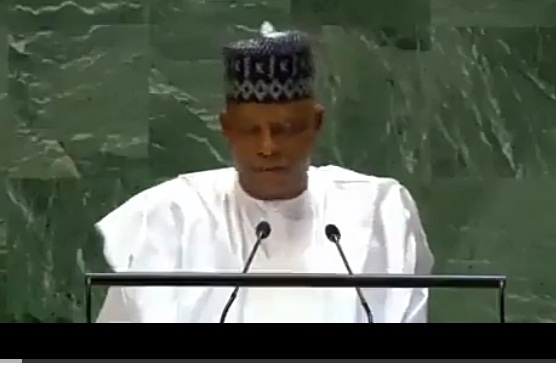
The recent call by Vice president Kashim Shettima for debt forgiveness for developing countries at the 79th United Nations General Assembly (UNGA79) has sparked intense scrutiny and skepticism from the international community. Nigeria’s reputation for corruption, mismanagement, and lack of transparency has raised questions about the government’s ability to effectively utilize borrowed funds.
Corruption and Mismanagement: Nigeria’s Fatal Flaw


Nigeria’s corruption problem is well-documented. The 2023 Corruption Perceptions Index ranks the country 149th out of 180 nations, highlighting the pervasive nature of graft and bribery. The government’s inability to address corruption has led to:

– Embezzlement of funds meant for development projects
– Inefficient resource allocation
– Lack of accountability and transparency
Consequences of Nigeria’s Credibility Crisis
The international community’s perception of Nigeria’s leadership as insincere and corrupt undermines the country’s ability to secure debt forgiveness. This credibility crisis has far-reaching consequences:
– Reduced international cooperation and investment
– Limited access to concessional loans and aid
– Decreased influence in global forums
Key Issues Undermining Credibility
1. Lack of Transparency: Nigeria’s leaders have been accused of embezzling funds meant for development projects, eroding trust in the government’s ability to manage borrowed resources.
2. Inefficient Resource Allocation: The misallocation of funds to luxury goods and unnecessary expenses undermines Nigeria’s plea for debt forgiveness.
3. Insensitivity to Citizen Plight: The government’s priorities seem skewed, with more attention paid to maintaining power than addressing the needs of its citizens.
Rebuilding Credibility: A Path Forward
To regain credibility and make a stronger case for debt forgiveness, Nigeria’s leaders must prioritize:
1. Implementing Anti-Corruption Measures: Strengthening institutions and enforcing laws to prevent embezzlement and ensure public accountability.
2. Effective Resource Allocation: Prioritizing development projects and social welfare programs that benefit the majority of citizens instead of spending money on luxury goods that only benefit the microscopic elite in power.
3. Increased Transparency: Regularly publishing financial reports and ensuring citizens are informed about government spending.
4. Accountability and Good Governance: Ensuring those responsible for corruption are held accountable and promoting a culture of good governance.
By addressing these concerns, Nigeria can demonstrate its commitment to responsible governance and make a more compelling argument for debt forgiveness.
Ameh Peter is the national secretary, CUPP.


