The Strait of Hormuz And The Global Economy: Choke Point Vulnerability And The Lessons Of History


The Oasis Reporters
October 7, 2026


By Kenneth Azaigba

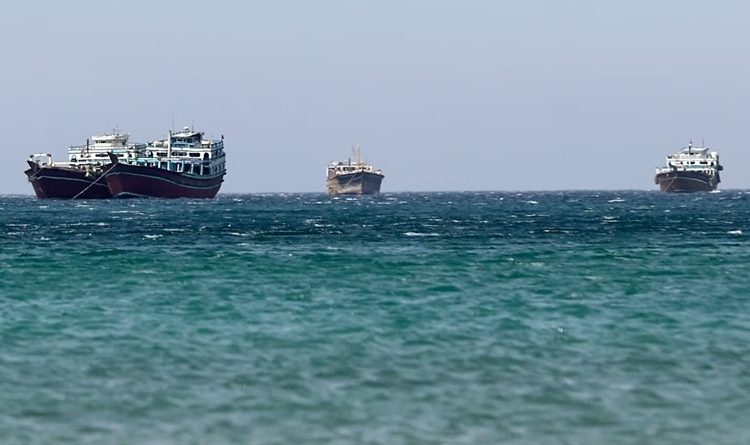
A significant portion of global energy is transported through the Strait of Hormuz. This makes it a strategic maritime corridor and indeed a choke point that is highly vulnerable. Its vulnerability indicates how disruptions no matter how small can create global shocks in terms of higher energy prices, increased shipping costs and very importantly, financial panic.
Historic episodes of oil conflicts in the past especially those of the oil crises of the 1970s, the tanker war of the 1980s just to mention a few, illustrate how geopolitical tensions can easily translate into severe global economic upheaval.
The pivotal point to underline is that globalization creates both prosperity and vulnerability. Therefore, choke point security must not be seen just as a military question. It thus generates concomitant economic, diplomatic, technological and infrastructural problems.
Yes, naval capabilities just as the US has demonstrated in the Strait may protect shipping, but they cannot eliminate the underlying vulnerabilities created by energy production, and dependence on maritime trade.
For Nigeria, the enduring lesson is that economic resilience requires reducing dependence on critical choke points before a crisis occurs, rather than attempting to manage vulnerability after disruptions begin. The ongoing fuel crisis is a consequence of overdependence on imported PMS.
Globally, five core lessons are worth pinpointing:
a)No economy is decoupled. The crisis in the Strait cut global merchandise trade significantly.
b) Resilience is built before a crisis, not in crisis. Countries with healthy strategic reserves rode out the shock better than unprepared nations.
c) Energy security is national security. Lasting security rests on supply infrastructure and resilience.
d) Choke points accelerate transition. The 1970s shock birthed energy efficiency. The 2026 shock is accelerating renewables.
On the whole, the current crisis in the Strait of Hormuz is not just a regional security problem. More importantly, it is a test of the resilience of the global economic order.
The core derivative from history is therefore that the prosperity interconnectedness catalyzes must be matched by an equally deliberate investment in resilience, redundancy and strategic foresight.
Nigeria must shift from reactionary measures to preparedness and avoid simplistic ‘antidotes’ like ‘fuel subsidy is gone’.
Kenneth Azaigba is a professor in the department of History and Strategic Studies, Federal University, Dutsin-Ma, Katsina State.