Which Socio-cultural Organization Speaks For The Hausa People ?


The Oasis Reporters
August 24, 2026


By Aliyu Ammani
If the Federal Government, or any international organisation, wants to know the condition and concerns of the Yoruba people, or their position on a matter of national importance, it knows where to go: Yoruba Socio-cultural organisations such as the Afenifere.
For the Igbo in the South East region, it knows where to go: Igbo organisations such as Ohanaeze Ndi Igbo.
For the Fulani, it knows where to go to: organisations such as the Miyetti Allah Kautal Hore.
For virtually every ethnic group in this country, it knows where to go: the platforms through which these people articulate their interests, present their grievances, and demand their share of the wealth that Allah has bestowed upon this nation.
But when it comes to the Hausa, where does it go? The Arewa Peoples Congress? The Arewa Consultative Forum? Or perhaps the palace of the Emir of Kano?
Dear Nigerian Bahaushe (the Hausa), do you now see what the point of speaking out is all about?
This is not about population or power. This is about who speaks for the Hausa.
In today’s Nigeria, virtually every ethnic group has an identifiable organisation through which its collective interests are expressed, its grievances presented, its demands articulated, and its share of the nation’s resources negotiated. Who or what does the Hausa have?
With millions of Hausa folks scattered across Nigeria and beyond, who can the government, or the international community, approach to understand the Hausa position on an important matter?
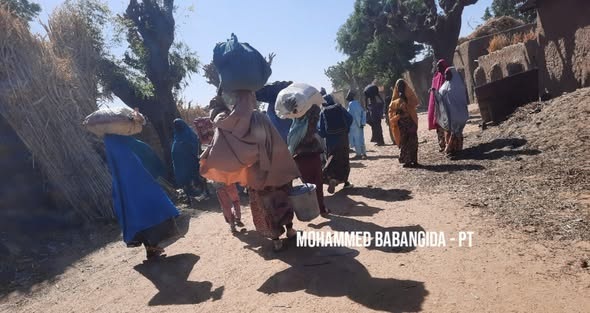
Thousands of villages across Hausaland have been sacked by Fulani bandits. Thousands of farmers have been chased away from their farms by bandits, leaving vast farmlands across Hausaland empty. The displaced families are now scattered across Nigeria and parts of the neighbouring Niger Republic as refugees, with little or no support from the government.
Who speaks for them? Who mobilises support on their behalf? Who speaks for the Hausa?
Who speaks with the authority to say: “This is what the Hausa people think. This is what they want. This is what they object to. And this is what they demand”? The uncomfortable answer is: no one.
And this, more than anything else, reflects the kind of political and organisational ‘kara-zubanci’ in which the Bahaushe continues to live in this country of ours, Nigeria. We lack a recognisable, collective platform through which the Hausa can articulate its interests and speak for itself. This is one of the reasons that gave rise to the Hausa Consciousness Reawakening Movement.
Malam Bahaushe, if you still do not see the problem, perhaps you should look again.
And if you understand what we are saying, then you will also understand why the Hausa must wake up, organise itself, and begin to speak for itself. Because in a country where everyone has someone speaking for them, a people without a voice should not be surprised when others speak and decide for them.
Aliyu Ammani writes from Kaduna State.


