Diminishing Economic Indicators In Nigeria And the Valiant Steps The Banking Sector Is Taking To Address It


The Oasis Reporters
October 28, 2024


Professor Ndubuisi Ekekwe tweets that Nigeria’s economic indicators have severely diminished.
“ I just completed my back-the-envelope village boy study and the results are troubling. Three indicators: – The number of active aircrafts parked in Nigeria’s leading local airport at 9.00pm have dropped by more than 30% from January 2023 numbers”.

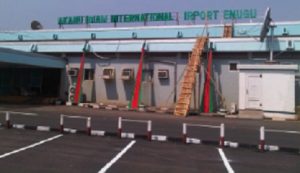
In addition, “the number of ships coming to Nigeria have dropped, and most troubling, ships continue to depart Nigeria largely empty.
“Ask your friends to climb the tallest buildings in Marina Lagos and count occasionally over a week, how many are coming and leaving, and how loaded they are.
“International traffic in Nigeria’s main airport – MMA Lagos – is off by more than 50% compared to January 2023 numbers. To do that, ask people who work there to take photos at 8:00pm WAT, and send them to you from Monday to Sunday.
“If supply chain is the engine of commerce, the implication is that if our supply chain is seeing a significant drop, it does mean that our economic activities have reduced.
“Again, this is not a scientific study, but this is one way I have been using for years to provide a quasi-independent evaluation of where things are. We need to quadruple our efforts to avert economic paralysis”.
The analysis given above by Ekekwe is an indication of exactly how things are based on observations that are different from official reports emanating from either the Central Bank of Nigeria or media analysts speaking on behalf of the government.
Perhaps many quiet analysts have seen the trend already.
Little wonder leading banks like Zenith Bank Plc and Fidelity Bank Plc decided to enhance the capacity of people who come for their training sessions via physical seminars and online sessions that address skills in preparing for the export market.
Banks have been doing this. For instance in 2022, recall an outstanding
Seminar by Zenith Bank Plc themed “Unlocking Opportunities in Nigeria’s Non-Oil Export Business”. An indication of opening up it’s Business faculty for informed knowledge in boosting the economy.
That was the 7th Annual Edition of the Zenith Bank International Trade Seminar which was held on Wednesday, July 20, 2022, at the Civic Centre, Victoria Island, Lagos, and virtually.
Also In it’s Zenith Bank’s SME Learning Series (September 2024 Edition) titled ELEVATING YOUR TEAM FOR WORLD CLASS PERFORMANCE with Nwamaka Onyuike as resource person in Zoom on September 26, 2024, it was obvious that the bank is focused on enhancing the capacity of Nigerians to grow the SMEs already in the country to scale up their operations and turn the businesses into conglomerates that can take the position the departing multinationals previously held in the country.
There are 39,645, 385 MSMEs as at 2020 according to SMEDAN data and these organizations contribute about 48% to Nigeria’s GDP, accounting for 96.9% of businesses that guarantee 80% of employment. Let these SME’s scale up and fill the cargo ships coming to Nigeria and rather than departing empty, fill it with produce to be merchandised abroad.
In collaboration with the famous Lagos Business School, the Fidelity Export
Management Programme (EMP) which is a Fidelity Bank Plc learning series program, went to Port Harcourt to expose learning participants to the opportunities and benefits presented by AfCFTA as well other policies and programs that are geared towards the promotion of Export in Nigeria from October 21 – October 25, 2024.

All these are geared towards the end of filling the ships up with exportable goods.
It is well understood that if ships sail into Nigerian ports to supply critical goods then sail back to either Europe, Asia or the Americas empty, whatever cargo they had discharged in Nigeria would be slightly more expensive. Business smart sense demands that they factor in the fuel costs in coming to Nigeria and departing Nigerian ports.
But if the ships are going back laden with Nigerian exportable goods, it means more economic buoyancy and reduced shipping costs.
With Nigeria’s vast fertile land and huge population, certainly there are exportable crops to grow, harvest and export to industries abroad and even primary produce for immediate consumption in the markets of the world.
Besides, the population of Nigerians in the diaspora keeps growing as European populations continue to shrink while the need for human labour expands.
Credits:
Professor Ndubuisi Ekekwe of Tekedia Institute
Nwamaka Onyuike
Greg Abolo
gregabolo@gmail.com